


Choosing the best night running light is essential for visibility, safety, and performance after dark. Whether you prefer a clip-on running light, handheld flashlight, or headlamp, factors such as lumen output, beam distance, battery life, and reflective safety features all matter. This guide compares the best running flashlight options for urban roads and trails, helping runners stay visible, avoid hazards, and run confidently at night.
Why Runners Need a Light for Night Running
What Makes the Best Running Flashlight?
Clip vs Handheld vs Headlamp: Which Is Best?
Red Light & Reflectivity: Essential Safety Features
Top Picks for Night Running Lights
How to Choose the Right Night Running Light
Safety Tips for Running at Night
FAQ
Night running presents a unique set of challenges and rewards. Whether you are navigating city streets after work or tackling technical trails under the stars, proper illumination is mandatory. A dedicated night running light does more than just light your path; it serves as a critical safety tool that alerts others to your presence. Choosing the best running flashlight requires an understanding of technical specifications, ergonomic needs, and the specific environment where you run. This guide examines the essential features of modern running lights to help you maintain safety and peak performance in low-light conditions.
Why Runners Need a Light for Night Running
The transition from daylight to darkness significantly increases the risks associated with running. Natural hazards become harder to spot, and the likelihood of accidents involving vehicles or other pedestrians rises. A night running light is a fundamental requirement for anyone training outside regular daylight hours.
According to the AAA Foundation for Traffic Safety, pedestrian fatalities in the United States have increased by more than 80% over the past 15 years, with most of the increase occurring on urban roads after dark. This highlights the importance of using a dedicated night running light and visibility gear when running in low-light conditions (Source: AAA Foundation for Traffic Safety).
Improving Visibility and Staying Safe
Safety begins with the ability to see the ground clearly. Even familiar routes look different at night. Pavement cracks, loose gravel, tree roots, and puddles become dangerous obstacles when lighting is insufficient. A high-quality flashlight for running provides the necessary contrast to identify these hazards from a distance. By projecting a consistent beam, you give your brain more time to process the terrain and adjust your stride. This prevents trips, falls, and ankle injuries that often occur when runners are "blindly" moving through shadows.
Being Seen by Drivers, Cyclists, and Others
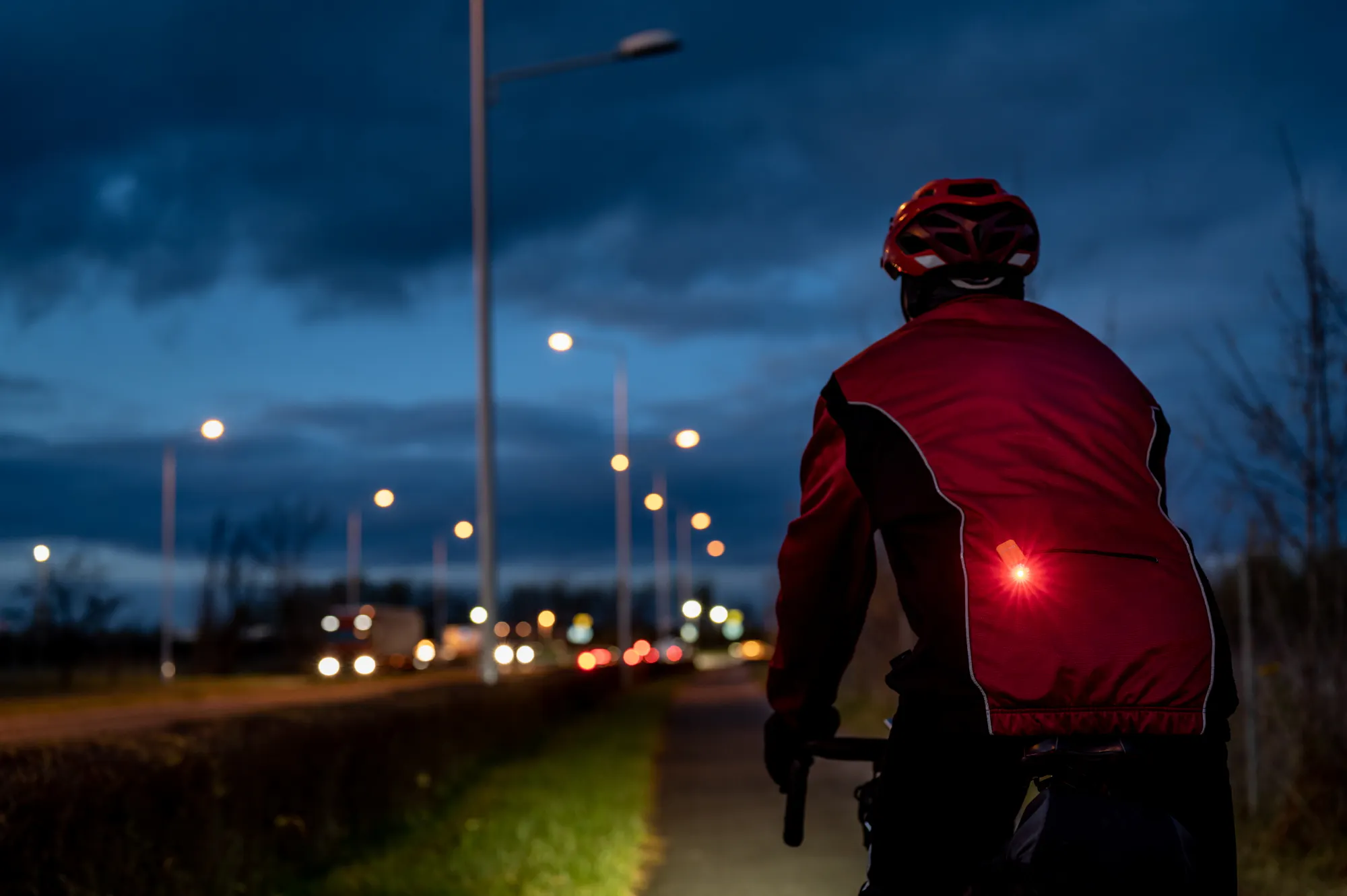
Visibility is a two-way street. While you need to see the path, you also need to be seen. Drivers and cyclists often struggle to spot runners in dark or dimly lit areas, especially if the runner is wearing dark athletic gear. A bright running safety light creates a moving point of reference that captures the attention of others. High-intensity LEDs allow drivers to see you from hundreds of yards away, providing them with ample time to slow down or move over. In urban environments where ambient light from streetlamps creates a "visual noise," a flashing or high-lumen light helps you stand out against the background.
The National Highway Traffic Safety Administration (NHTSA) notes that thousands of pedestrians are killed and tens of thousands are injured in traffic crashes each year. Visibility-enhancing measures such as active lighting and reflective equipment can significantly improve pedestrian detection by drivers (Source: NHTSA Pedestrian Safety).
What Makes the Best Running Flashlight?
Not all lights are suitable for athletic use. A standard emergency flashlight is often too heavy or has a beam pattern that is poorly suited for the rhythmic motion of running. The best running flashlight must balance performance with portability.
Brightness, Beam Distance, and Battery Life
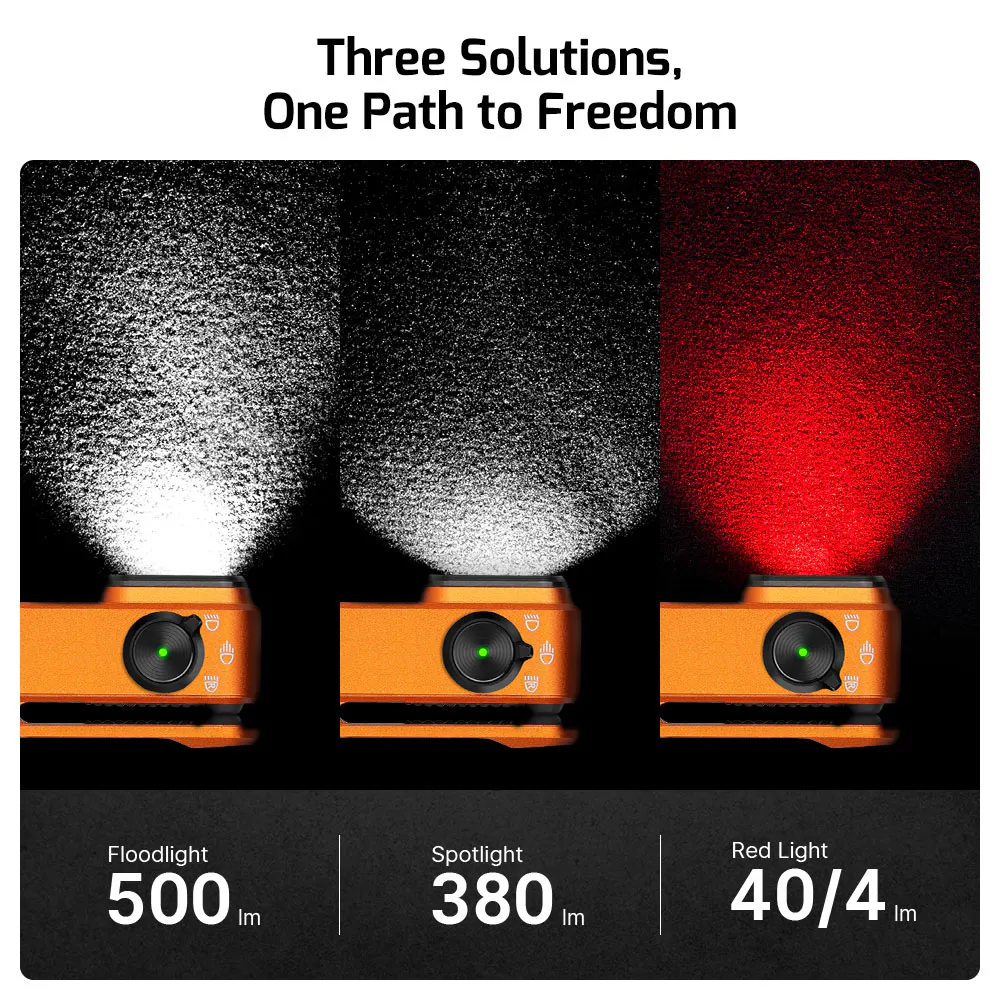
Brightness is measured in lumens. For urban running, 100 to 300 lumens usually suffice. For trail running, you require 500 to 1,200 lumens to cut through deep shadows. Beam distance, or "throw," determines how far ahead you can see. A mix of floodlight (wide-angle) and spotlight (focused beam) is ideal.
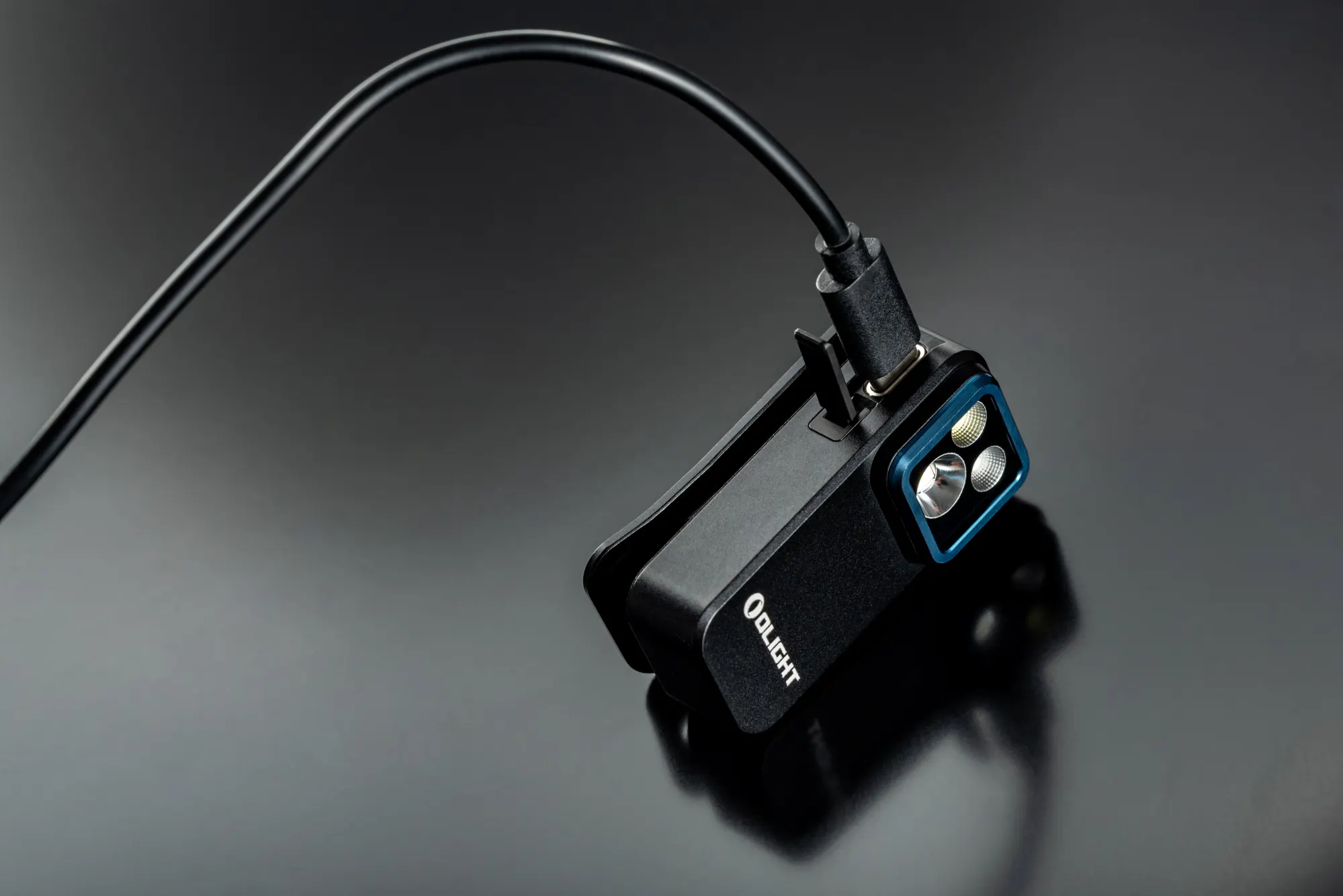
Battery life is equally critical. You do not want your light to fail mid-run. Look for a lightweight running flashlight that offers multiple power modes. High-output modes drain batteries quickly, so having the option to drop to a lower setting on well-lit streets preserves energy for darker sections. USB-C rechargeable models are now the industry standard for convenience and reliability.
Weather Resistance, Weight, and Comfort
Running is a high-impact, sweat-inducing activity. Your night running gear must be rugged enough to withstand these conditions.
Weather Resistance: An IPX4 rating or higher ensures the light functions in rain and resists sweat.
Weight: Every ounce matters. A heavy light will bounce or cause discomfort over long distances. Modern materials allow for powerful lights that weigh less than 2 ounces (approx. 57g).
Comfort: For headlamps, the band should be breathable and adjustable. For clip-on lights, the tension must be strong enough to prevent the light from flying off during a sprint.
Clip vs Handheld vs Headlamp: Which Is Best?
The "best" style depends on your personal preference and where you run. Each configuration offers specific advantages and disadvantages.
Pros and Cons of Each Lighting Style
Style
Pros
Cons
Headlamp
Hands-free; light follows your gaze; ideal for technical trails.
Can feel heavy on the forehead; may cause "tunnel vision" or bounce.
Clip-On Light
Extremely versatile; can be attached to hats, packs, or shirts; very lightweight.
Lower mounting position can create long shadows; beam is fixed to body position.
Handheld
Easy to direct precisely; can be used for self-defense or signaling.
Occupies one hand; can cause muscle fatigue over long durations.
Choosing the Right Option for Your Running Routine
If you primarily run on paved paths with some street lighting, a clip-on running light is often the best choice due to its simplicity. For trail runners who need to scan for low-hanging branches and treacherous footing simultaneously, a headlamp is superior. Some runners choose a hybrid approach, using a headlamp to see ahead and a clip-on light on the back of their waist for rear visibility.
Red Light & Reflectivity: Essential Safety Features
A night running light should offer more than just a white beam. Specific safety features enhance your protection in specialized scenarios.
Why Red Light Mode Matters
Red light is essential for two reasons:
1. Preserving Night Vision: White light causes your pupils to constrict, making it harder to see when you turn the light off. Red light allows you to see your surroundings without ruining your eyes' adaptation to the dark.
2. Signaling: Red light is the universal signal for "caution" or "rear." Using a red flashing mode on your back ensures motorists recognize you as a moving person rather than a stationary object.
Research on nighttime visibility shows that active lighting, including flashing lights and illuminated safety gear, can help drivers detect pedestrians from substantially greater distances compared with standard dark clothing alone. This additional reaction time can be critical for preventing collisions (Source: NHTSA Conspicuity Enhancement Research).
The Role of Reflective Features in Night Running
Electronic lights can fail, but passive reflectivity does not. The best night running gear integrates 360-degree reflective strips. When a car's headlights hit these strips, they glow brightly, providing a secondary layer of safety. Many modern headbands and clips now incorporate these reflective elements directly into their design.
Top Picks for Night Running Lights
Based on technical performance and runner feedback, two models stand out in 2026.
Oclip Pro – Best Clip-On Running Flashlight
The Oclip Pro is a versatile 3-in-1 solution. It features a 500-lumen white floodlight for general area illumination, a 120-meter range spotlight for seeing far down the road, and a dedicated red light.
- Versatility: The heavy-duty clip allows you to attach it to a hat brim, a backpack strap, or a shirt pocket.
- Durability: It includes a waterproof USB-C charging port hidden under a metal cover.
- Compactness: Weighing very little, it provides up to 144 hours of runtime in moonlight mode.
Perun 3 Mini – Best Compact Night Running Light
The Perun 3 Mini Headlamp Flashlight is a powerhouse for serious athletes. It delivers a massive 1,250 lumens and a 155-meter beam distance.
- Dual Functionality: The quick-release bracket allows you to switch it from a headlamp to a handheld light in seconds.
- Upgraded Comfort: The headband is 25% lighter than previous versions and features 3D-breathable mesh to keep you cool.
- Safety: It includes 360-degree reflectivity on the headband and integrated red light modes for night vision preservation.
Oclip Pro vs Perun 3 Mini
Feature
Oclip Pro
Perun 3 Mini
Max Lumens
500
1,250
Max Throw
120m
155m
Weight
Approx. 53g
Extremely Lightweight
Primary Use
Casual/Urban/EDC
Professional/Trail/Intense
Mounting
Clip/Magnet/Lanyard
Headband/Clip/Magnet
How to Choose the Right Night Running Light
Your environment dictates your lighting needs. Matching the light to the terrain ensures you aren't carrying unnecessary weight or running with insufficient brightness.
For Urban Running
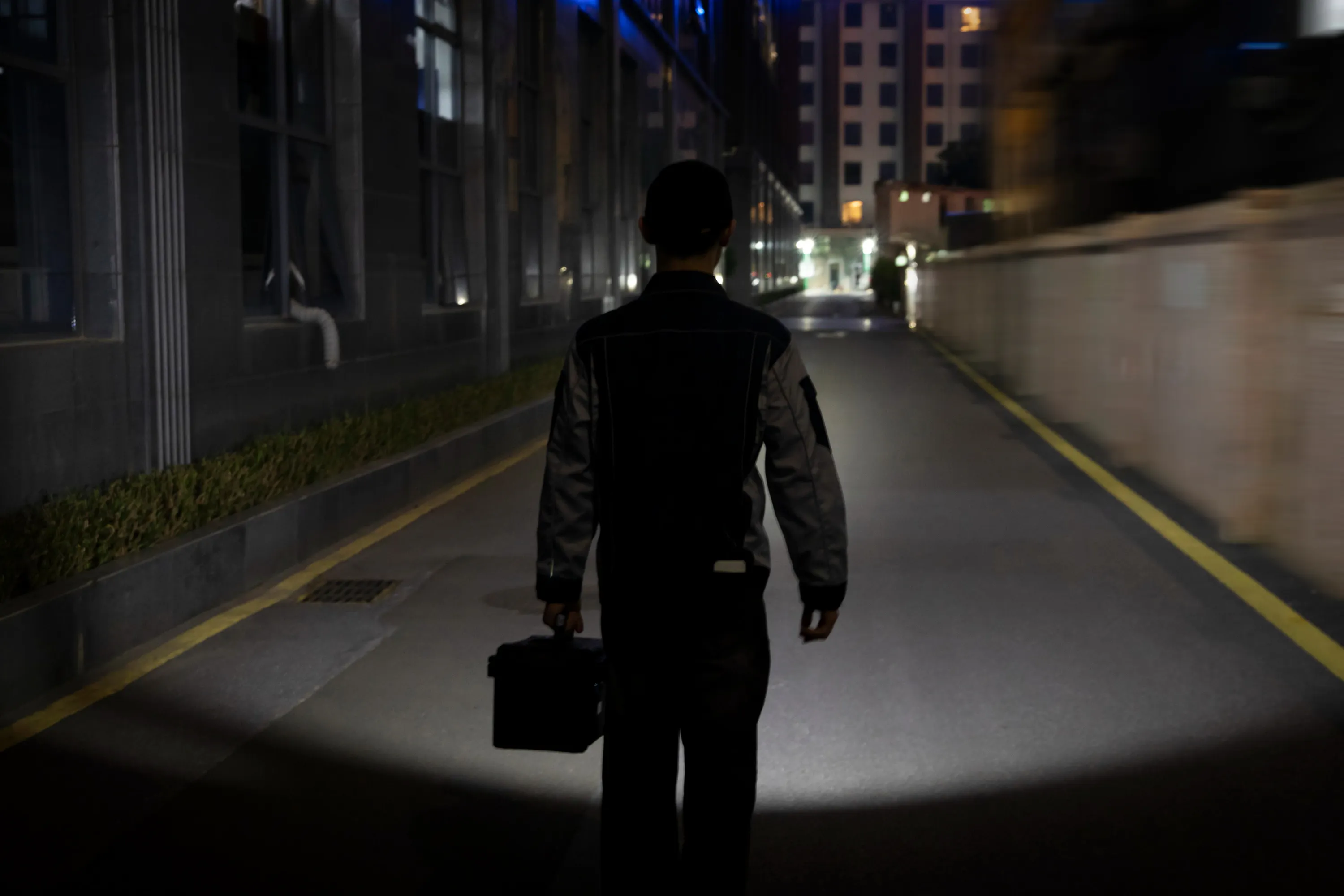
In the city, you are often surrounded by streetlights, but you still need a light for dark alleys and to be seen by traffic.
- Prioritize: Visibility to others and weight.
- Recommended Mode: Use a medium floodlight for the path and a flashing red light for the rear.
- Best Choice: A clip-on light like the Oclip Pro is ideal because it is unobtrusive and easy to attach to any clothing.
For Trail Running and Long-Distance Training
Trails are unpredictable and often pitch black. You need raw power and hands-free operation.
- Prioritize: Lumens, beam distance, and stability.
- Recommended Mode: A high-intensity spotlight to spot roots and rocks 50 feet ahead.
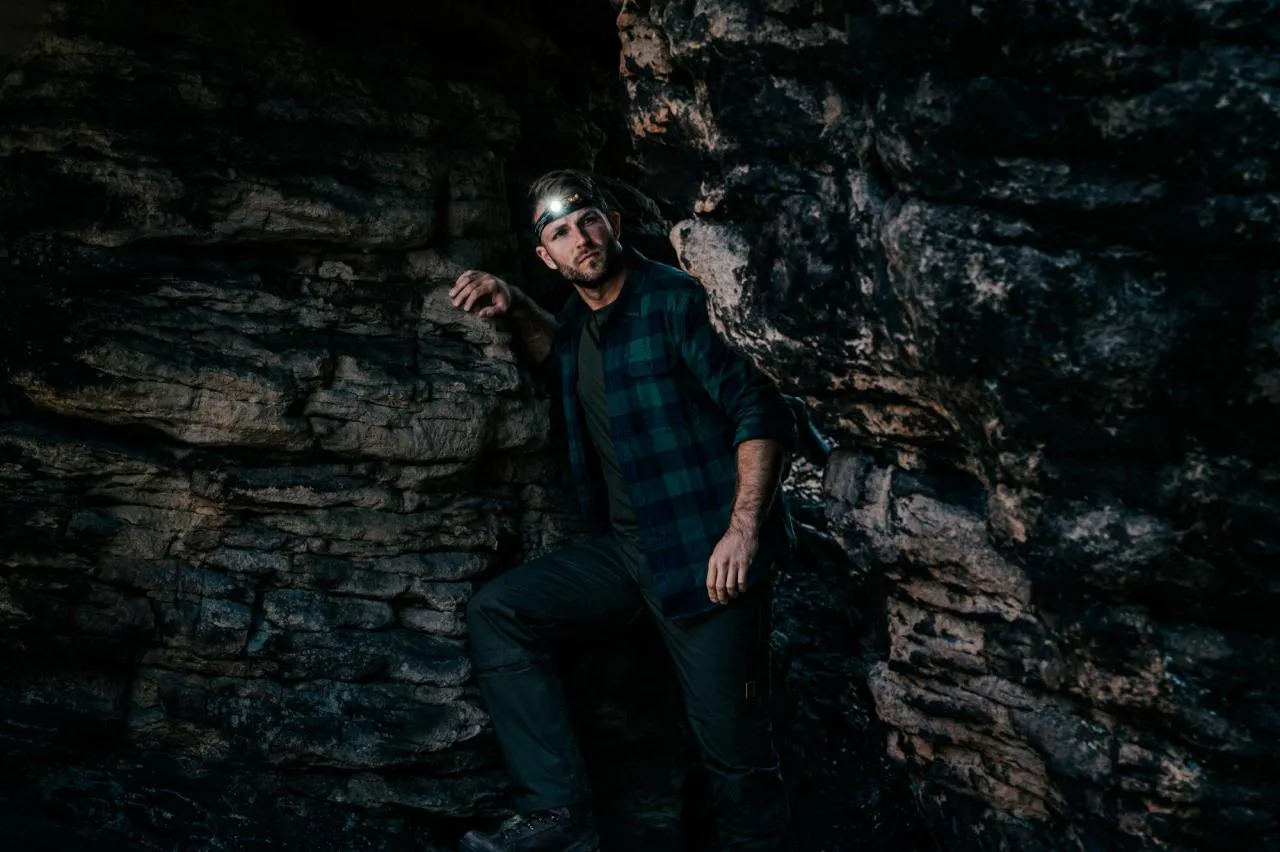
- Best Choice: The Perun 3 Mini provides the brightness and throw needed to navigate complex terrain safely. Its headband prevents the light from shifting during technical descents.
Safety Tips for Running at Night
Run Against Traffic: Always run facing oncoming vehicles so you can see their headlights and react if necessary.
Ditch the Headphones: Your ears provide critical information about approaching cars or people. If you must listen to music, use bone-conduction headphones or only one earbud.
Carry Your Phone: Ensure it is fully charged. Use a tracking app that allows a friend or family member to monitor your location in real-time.
Vary Your Route: Don't become predictable. Changing your route makes it harder for anyone to track your movements.
Check Your Gear: Test your running safety light before you leave. Ensure the battery is charged and the mounting is secure.
FAQ
How many lumens do I need for night running?
For urban areas with streetlights, 100-200 lumens are sufficient. For dark trails or rural roads, you should look for at least 500-1000 lumens to ensure deep visibility.
Is it better to have a light on my head or my chest?
A headlamp follows your eyes, which is best for scanning surroundings. A chest-mounted or clip-on light stays more stable and doesn't cause as much glare in fog or rain. Many professionals use both.
How long do rechargeable running lights last?
On medium settings, most modern lights last 4 to 10 hours. On high or "turbo" modes, they may only last 1 to 2 hours. Always check the runtime specs for your specific model.
Can I use a standard flashlight for running?
You can, but it is not recommended. Handheld flashlights can cause hand cramps over long distances, and they lack the specialized mounting systems that prevent bouncing.
What is the benefit of a red light mode?
Red light protects your "purple vision" (night adaptation). It also serves as a high-visibility warning signal for drivers without blinding them like a high-intensity white strobe might.